
I know it’s a bit late for resolutions but better late than never is always my motto.
Every year before I make new ones, I look back to see how I did on last year’s. Alas, they’re almost always still relevant. I don’t think I’m unusual in that respect. I know, for example, that my Zumba classes and the workout area of my gym are more crowded these days. I used to be alarmed about it but soon saw that in a matter of weeks, the crowds invariably start to thin. By late February they’re always back to near-usual levels.
So, once again I’m dusting off my old new year’s resolution blog post with a few updates. They’re relevant for everyone–whether you’re a living donor, like me–or never plan to be–or you’re a kidney transplant recipient like my son.
If you’re already being evaluated as a living donor–yay!–or even just thinking about it, the following suggestions will benefit you and your kidneys–however many you have and wherever they happen to be.

1- Take good care of yourself (and your kidneys). That means
–Exercising regularly. My retiree friends all seem to be obsessed with pickle ball, but I’m sticking with Zumba and, slowly coming around to, regular strength training.
–Getting plenty of rest. Alas, that’s a tricky one for many if not most of us. We can at least follow the simplest rules of sleep hygiene: no screen time a couple of hours before bedtime, no late meals, and avoid caffeine and alcohol late in the day. Also be sure to factor in some quiet downtime before bed.
–Staying hydrated. This one was reinforced for me again recently when I had another scare about my kidney function.
–Eating a healthy diet. Mostly that means a balanced diet with fresh foods–no extremes on any component including protein. And avoid ultra-processed foods!
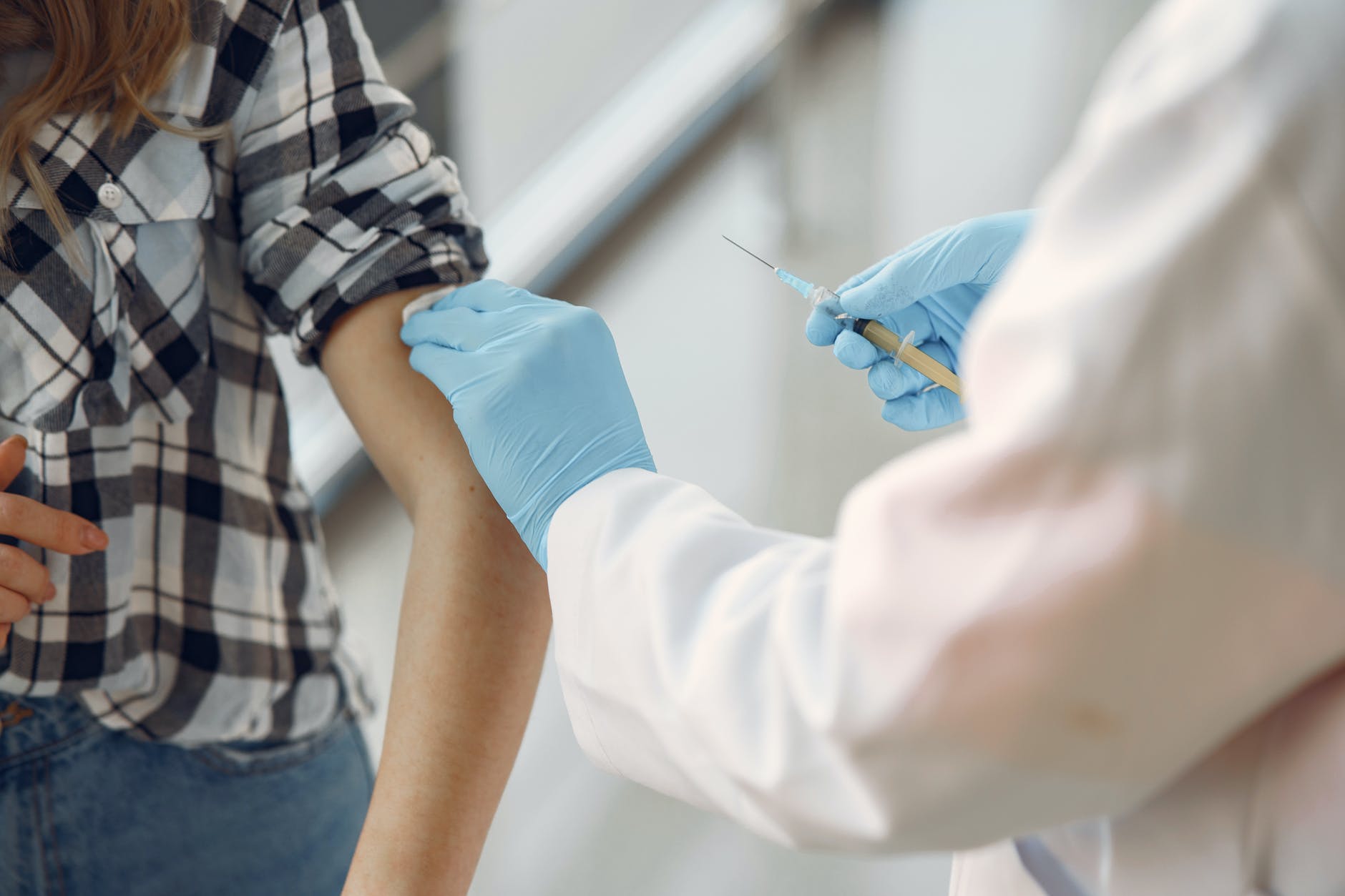
2-Getting the latest Covid booster for which you’re eligible (for your own safety and your potential future recipient’s). Many people who were vigilant about that earlier have slacked off, but Covid has not disappeared–I have a few friends who can personally attest. The boosters are still important! Also, transplant recipients, like my son, and anyone else who is immunocompromised, such as people with cancer or autoimmune diseases, can’t count on full protection from the vaccines.
It’s all the more important that the rest of us add that extra layer of protection.
3-Avoid ibuprofen and other NSAIDs. They’re hard on the kidneys for anyone. That becomes particularly important if you’re a current or potential donor or recipient.
4-Learn all you can about kidney function and get yours checked. Kidneys are amazing–read about my righty!
5-Read up on all facets of kidney donation. For example, order a copy of The Insider’s Guide to Living Kidney Donation.
I’m obviously not the first, so let me be one of the last, to wish you and your family a happy, healthy new year!
For related posts and information on my book, The Insider’s Guide to Living Kidney Donation, be sure to explore the rest of my website and my articles at Medium.com/@caroloffen.
 Could You Be a Kidney Donor? What to Expect If You Give the Greatest Gift